
How to Make Fried Chicken Extra Crispy: The Ultimate Culinary Science Guide
Discover the exact food science behind shatteringly crisp fried chicken—from cornstarch ratios and baking powder micro-blisters to double dredging and wire rack drying.
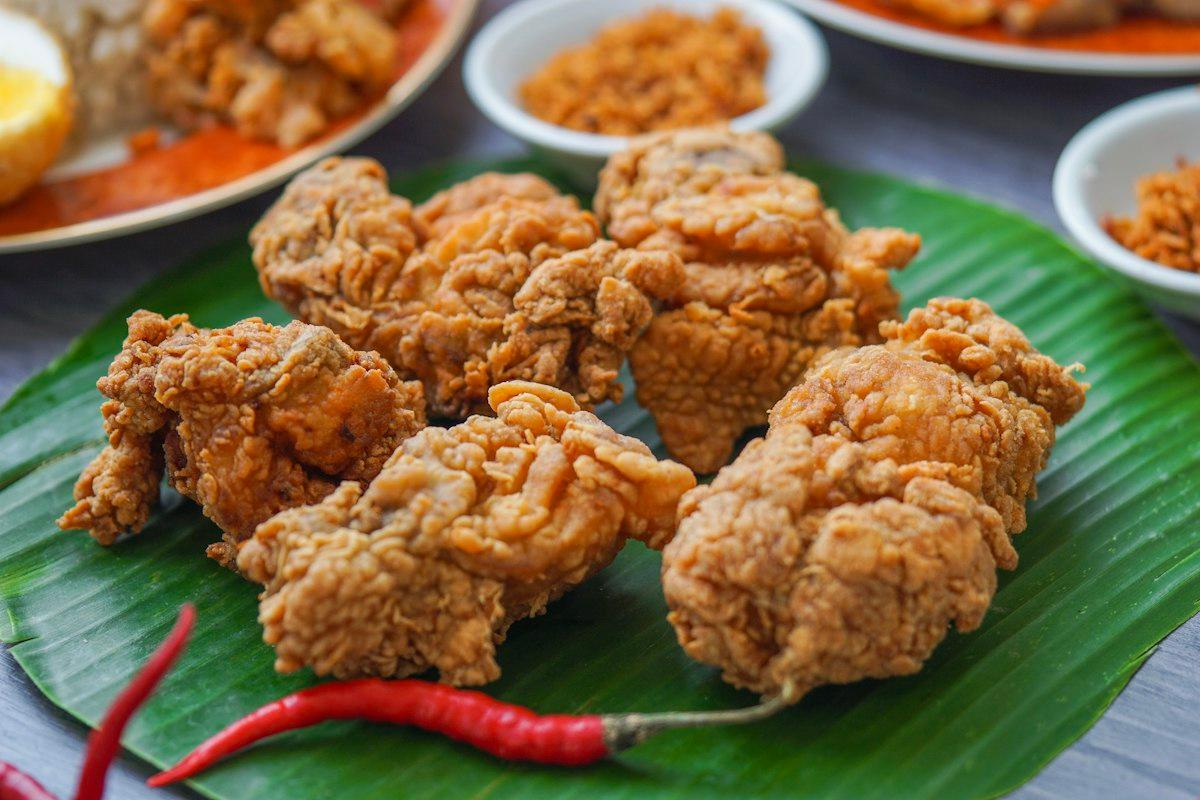
To make fried chicken extra crispy, replace 25% of all-purpose flour with cornstarch or potato starch, add 1 teaspoon of baking powder to create micro-blisters, create shaggy flakes by drizzling liquid into the dredge, rest the coated chicken for 10 minutes on a wire rack before frying, and maintain oil at 350°F.
Key Culinary Rules:
- Replace 20-30% of all-purpose flour with cornstarch or potato starch to weaken gluten.
- Drizzle marinade into dry flour to create shaggy flakes for deep craggy ridges.
- Rest dredged chicken on a wire rack for 10-15 minutes before dropping into oil.
- Maintain frying oil between 325°F and 350°F to repel excess oil absorption.
- Never drain on paper towels; use an elevated cooling wire rack to avoid trapped steam.
1. The Starch Ratio: Why 100% Flour Fails
All-purpose flour contains around 10% to 12% protein. When mixed with liquid (like buttermilk or eggs), these proteins link together to create gluten networks. While some gluten is needed for structure, too much gluten yields a chewy, bread-like, leathery crust rather than a crisp, brittle crunch.
By cutting all-purpose flour with pure starches—specifically cornstarch, potato starch, or rice flour—you dilute gluten formation. Pure starches contain no gluten-forming proteins. When fried, starches absorb oil, expand, and set into glass-like crystalline structures that produce an audible crunch with every bite.
2. The Baking Powder Secret: Microscopic Air Pockets
Commercial fried chicken chains often achieve an airy, brittle crumb that fractures effortlessly. The secret kitchen hack is baking powder (sodium bicarbonate plus acid salts).
When cold dredged chicken hits 350°F oil, the extreme heat activates the baking powder, releasing microscopic bubbles of carbon dioxide gas throughout the batter. These tiny expanding bubbles push outward, creating thousands of micro-cavities across the crust. This transforms what would have been a dense shell into a fragile, shatteringly crisp honeycomb texture.
3. Shaggy Clusters: How to Engineer Craggy Ridges
Flat, smooth fried chicken tastes boring. The craggy, jagged, coral-like edges hold the most crunch and soak up maximum seasoning. How do restaurants create them without mess?
The technique is simple: before coating your chicken, take 3 to 4 tablespoons of your buttermilk marinade or egg wash and drizzle it directly into the dry seasoned flour bowl. Rub the flour between your palms until pea-sized wet clusters form throughout the dry powder. When you roll your chicken in this mixture, the clusters weld to the exterior, turning into golden crunchy nuggets during frying.
4. The 10-Minute Wire Rack Rest (Hydration Phase)
A very common beginner mistake is dropping chicken straight into hot oil immediately after flouring. When you do this, loose powdery flour falls off into the oil, burns, and leaves patchy bald spots on the chicken.
Instead, place dredged chicken on an elevated wire rack for 10 to 15 minutes. During this rest, moisture from the buttermilk migrates into the inner flour layer, hydrating the starches and converting them into a pasty protein glue. When fried, the coating stays bonded to the skin and never slides off.
5. Temperature Physics: Avoiding Oil-Logged Chicken
Deep frying is essentially an efficient dehydration process. The moisture inside the chicken turns to steam, which forces its way outward through the batter. This positive steam pressure pushes oil away, preventing it from soaking into the meat.
However, if your oil temperature drops below 300°F (due to overcrowding the pot), the internal steam pressure collapses. The batter then acts like a sponge, absorbing frying grease and becoming soggy. Keep a candy or infrared thermometer in the pot and adjust your stove flame to hold 325°F-335°F throughout the fry.
Common Questions About This Technique
Why does my fried chicken get soggy after cooling?
Fried chicken becomes soggy when cooling on flat surfaces or paper towels because escaping internal steam gets trapped underneath the crust, converting crisp starches back into soggy dough. Cool exclusively on an elevated wire rack.
Can you use vodka in fried chicken batter?
Yes! Vodka inhibits gluten formation and evaporates faster than water at high temperatures, creating an exceptionally light and crispy crust.
More Cooking Guides & Tutorials
The Best Oil Temperature for Frying Chicken: Complete Heat Guide
Master the thermal rules of frying chicken: starting oil temperatures, drop recovery, bone-in vs boneless cuts, and internal safety temperatures.
How to Marinate Chicken for Maximum Juiciness and Flavor
The culinary science of buttermilk, salt brines, pickle juice, and aromatics. Learn why marinating makes fried chicken impossibly succulent.
How to Fry Chicken Without a Deep Fryer: Skillet & Dutch Oven Methods
You do not need a commercial deep fryer to make crispy fried chicken. Learn the skillet shallow fry and heavy Dutch oven immersion techniques at home.